Showing posts with label Book: Africa 1. Show all posts

Tiny Tales from Africa: The Animals 1

VOLUME 1 - Go to Volume 2

Welcome to Tiny Tales from Africa: The Animals (volume 1). This is a collection of two hundred stories from Africa featuring animal characters, and each story is just 100 words long. And... Volume 2 is available now also

In addition, you might also be interested in The Reader's Guide to African Folklore at the Internet Archive, and also Texts of African Proverbs and Riddles in the Public Domain.

Creative Commons. This work is released with a Creative Commons license: CC BY-NC-SA 4.0. That means you can remix and reuse individual stories or the contents of the whole book with attribution for non-commercial purposes, provided that you release your work with the same license. Find out more.
Attribution: Tiny Tales from Africa: The Animals (volume 1) by Laura Gibbs.
Version: October 30 2021


You can access the book in a variety of formats, along with individual stories here at the blog; see story title list and links below. You can also find the online sources and image credits listed separately.

Pressbooks. This is a web-based presentation of the book with all the stories on one page.

PDF. You can download a PDF copy of the book.

EPUB. You can use this EPUB file for ebook readers like Nook, etc. You can also read epubs on your Kindle.
HTML. If you want to read a web-based presentation, this is a clean and simple HTML version. This version is also useful if you want to copy-and-paste some or all of the content to adapt for your own purposes (see CC-licensing information above).

Audiobook. There is a free audiobook available at SoundCloud. I'll also be releasing the mp3 files available for download if you prefer not to use SoundCloud; I'll update this page when those files are available.

Randomizer. You can see the stories displayed at random, and you can also copy-and-paste the javascript code if you want to use the randomizer in your own blog or website.

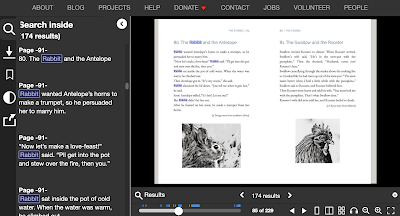
Internet Archive. There is a copy of the book at the Internet Archive which is great for searching; you can page through the book based on search results, like "rabbit" for example:


Kindle. You can purchase a Kindle edition from Amazon for 99 cents.

Paperback. You can order a paperback edition from Amazon (free Prime shipping) for $6.25.

~ ~ ~

TINY TALES FROM AFRICA: THE ANIMALS
(volume 1)
A Book of Two Hundred 100-Word Stories


ABOUT THIS BOOK

This is the first in what I hope will be a long series of books about African animal tales. You will meet tricksters here like Rabbit (ancestor of Brer Rabbit and Tio Conejo), along with Tortoise, Spider, and more. There are “pourquoi” stories about why Bat flies at night and why Lemur’s eyes are big. There are also stories of magical transformations, like the woman who became a lion. The stories come from many different African traditions; see the list of sources in the back of the book. You can find out more and also listen to an audiobook at Africa.LauraGibbs.net.

The paragraph you just read is 100 words long, as is this paragraph, and that’s also the length of each story in this book. The stories go fast, but you can slow down when you find one you like. Read it again. Read it aloud. Let it sink in. Maybe even write your own version of the story, using your imagination to add more details. Meanwhile, if you don’t like a story, don’t get bogged down; just move on to the next one. You can find many more African animal tales, along with 100-word stories from other cultural traditions, at 100Words.LauraGibbs.net.

BLOG POSTS

The individual blog posts contain additional information for each story.

1. Greedy Spider and his Children.
2. Spider and the Singing Ghosts.
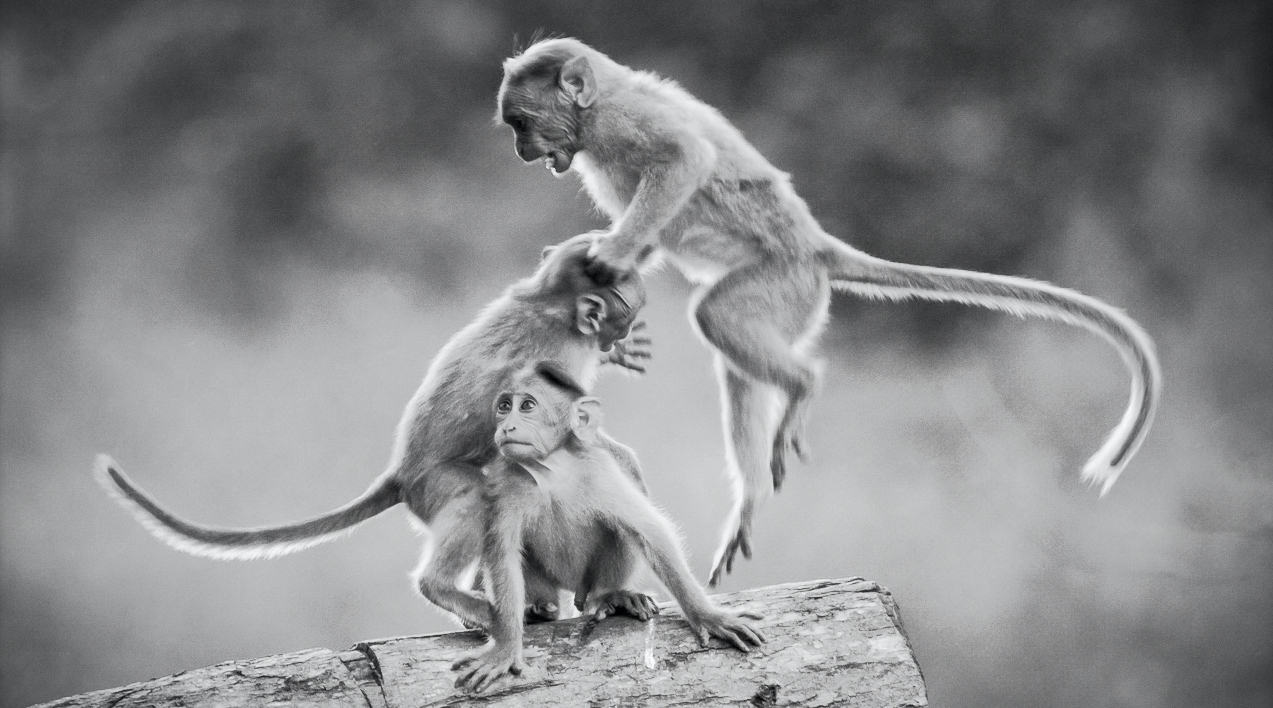
3. How the Monkeys Got Their Tails.
4. How the Animals Got Their Tails.
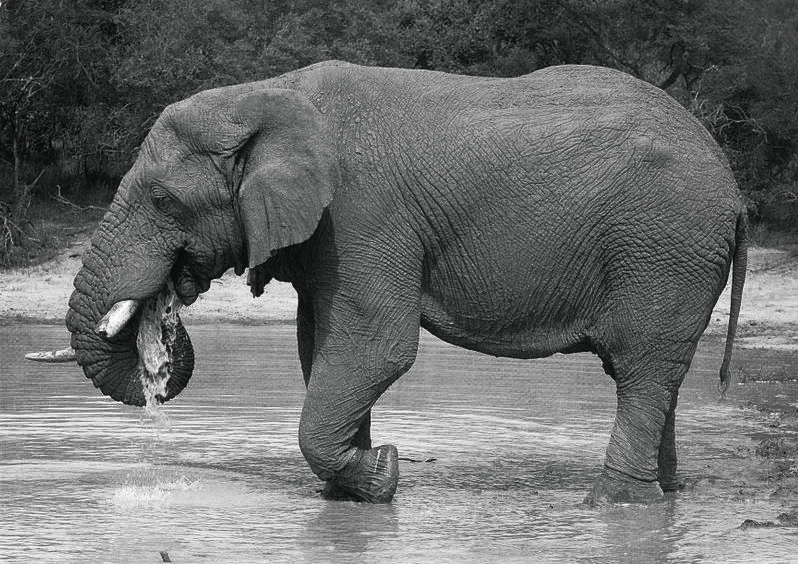
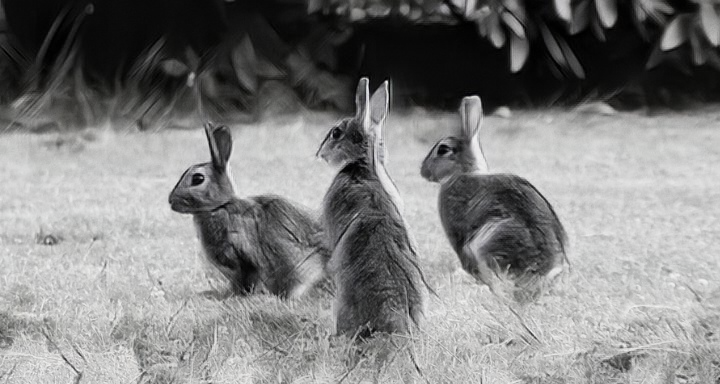
5. The Rabbits and the Elephants.
6. The Crocodile and the Leguan.
7. The Woman and Her Yams.
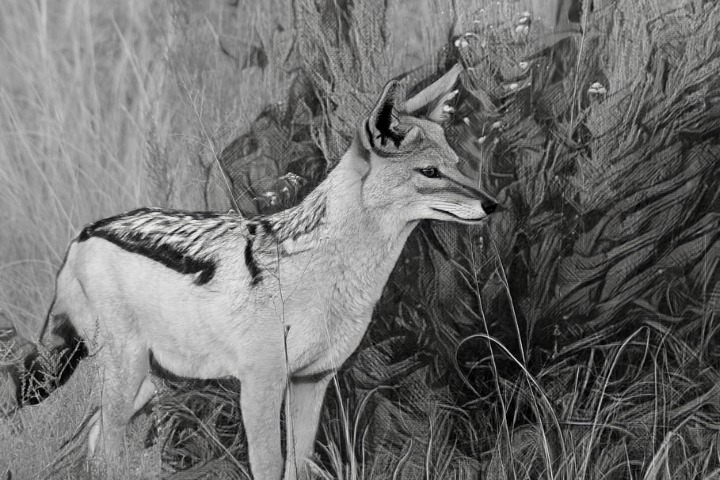
8. The Sun and the Jackal.
9. The Leopard and the Hyena.
10. The Parrot and the Hen.
11. The Lemur and the Shrew.
12. The First Fire.
13. The Animals and the Fire.
14. The Jackal Sends the Dog to Get Fire.
15. The Dogs of Long Ago.
16. The People and the Sea-Turtle.
17. Grandmother Crocodile.
18. The Hippopotamus and the Crocodile.
19. The Three Creatures.
20. The Ram and His Mother.
21. The Bat and the Dove.
22. The Cane-Rat and the Bat.
23. The Queen's Feast.
24. God and the Birds.
25. The Mosquito and the Ears.
26. The Tortoise and the Pig.
27. The Jackal and the Hyena.
28. The Elephant and the Rhinoceros.
29. The Little Frog and the Little Snake.
30. The Fish and the Leopard.
31. The Leopard and the Man.
32. Lion's Family and the Leopard.
33. The Flying Lion.
34. The First Lion.
35. The First Baboons.
36. The First Fish.
37. The First Snake.
38. The First Bird.
39. The Cattle and the Buffalo.
40. The Rabbit and the Moon.
41. The Chameleon and the Lizard.
42. The Dog and the Sheep.
43. The Dog's Message.
44. The People Who Wanted to Live Forever.
45. The Hyena Who Waited.
46. The Birds and their Servants.
47. The Dog and the Cow.
48. The Squirrel and the Viper.
49. The Frog and His Two Wives.
50. The Animals and the Rain.
51. The Frog and the Water.
52. The Boar and the Hog.
53. The Rooster and the Sun.
54. The Leopard and His Drum.
55. The Spider and Lion's Ram.
56. The Spider in the Storeroom.
57. When the Jackal and the Hyena Were Servants.
58. King Lion and the Corn-Thief.
59. The Rabbit, the Baboon, and the Peanuts.
60. The Wildcat and the Monkey.
61. The Wildcat's Revenge.
62. The Birds' Fasting Contest.
63. The Elephant and the Rooster.
64. The Elephant and the Goat.
65. The Elephant and the Tortoise.
66. The Frog and the Deer.
67. The Chameleon and the Elephant.
68. The Rabbit and the Chameleon.
69. The Elephant and the Frog.
70. The People and the Turtle.
71. The Monkey and the Leopard.
72. The Jackal and the Rooster.
73. The Hunter and the Leopard.
74. The Lioness and the Chicks of the Ostrich.
75. The Gorilla and the Monkey.
76. The Wildcat and the Nightjar.
77. The Pious Cat and the Mouse.
78. The Leopard and the Dog.
79. The Woman and the Rabbit.
80. The Rabbit and the Antelope.
81. The Swallow and the Rooster.
82. The Rooster and the Swallow.
83. The Hen and the Rabbit.
84. The Rabbit and the Deer.
85. The Rabbit Visits the Baboon.
86. The Wildcat and the Gazelle.
87. The Tortoise and the Bat.
88. The Dog and the Chimpanzee.
89. The Tortoise and the Baboon.
90. The Leopard and the Python.
91. The Tortoise, the Elephant and the Hippo.
92. The Antelope and the Tortoise.
93. The Giraffe and the Tortoise.
94. The Tortoise and the Guinea-Fowl.
95. The Tortoise and the Hawk.
96. The Tortoise and the Hawk's Mother.
97. The Tortoise and the Leopard.
98. A Husband for the Princess.
99. The King's Magic Drum.
100. The Tortoise and the Magic Drum.
101. The Tortoise's Revenge.
102. The Tortoise and the Magic Breadfruit.
103. The Spider and the Cobweb.
104. The Spider's Funeral.
105. Anansi the Spider and God.
106. Anansi and the Snake.
107. Anansi and the Leopard.
108. The Elephant and the Spider.
109. The Elephant and the Honey.
110. The Elephant and the Rabbit Plant Pumpkins.
111. The Rabbit and His Drum.
112. When the Rabbit and the Antelope Were Neighbors.
113. The Rabbit and the Leopard.
114. The Rabbit and the Old Woman.
115. The Animals and Their Dance.
116. The Rabbit and the Stepping-Stone.
117. The Rabbit's Punishment.
118. The Lion and the Rabbit.
119. The Rabbit and the Tortoise.
120. The Rabbit and the Earth.
121. The Bushbuck and the Rabbit.
122. The Rabbit and the Cloud-Islands.
123. The Hyena and the Muddy Rabbit.
124. The Farmer and the Rabbit.
125. The Scorpion and the Hyena.
126. The Jerboa and the Hyena.
127. The Hyena and Her Friends.
128. The Hyena and the Man.
129. The Hyena and the Crane.
130. The Lion's Illness.
131. The Jackal and the Fish-Wagon.
132. The Hyena and the Fish-Wagon.
133. The Wedding of the Jackal and the Hyena.
134. The Jackal and Hyena's Wedding Feast.
135. The Jackal and the Goat.
136. The Dove and the Jackal.
137. The Jackal and the Heron.
138. The Dog and the Jackal at the Wedding Feast.
139. The Leopard and the Bloodthirsty Jackal.
140. The Cat and the Leopard.
141. The Rat and the Fish.
142. The Tortoise and the Mushrooms.
143. The Elephant in the Swamp.
144. The Hyena and the Moon.
145. The Chameleon and the Snake.
146. The Proud Wren.
147. The Francolin and the Tortoise.
148. The Eagle and the Leopard.
149. The Lion and the Crocodile.
150. The Young Lion's Revenge.
151. The Rat and the Crocodile.
152. The Sheep's New Dress.
153. The Python with Two Heads.
154. The Snake and the Rat.
155. The Partridge and the Puff-Adder.
156. The Leopard and the Goat.
157. The Lioness and the Antelope.
158. The Crocodile and the Hen.
159. The Fruit-Bat's Funeral.
160. The Lioness and The Ostrich.
161. The Fox and the Rooster.
162. The Dog Who Would Be King.
163. The Deer and the Pig.
164. The Hasty Tortoise.
165. The Tree That Blocked the Sun.
166. The Rhinoceros and the Bees.
167. The Python and the Guinea-Fowl.
168. The Lion and the Boar.
169. The King's Cat and His Rat.
170. The Disobedient Boy.
171. The Man Who Became an Elephant.
172. The Song of the Monkey.
173. The Woman Who Became a Lion.
174. The Woman and Her Suitors.
175. The Mother and Her Daughter.
176. The Baboon Who Became a Man.
177. The Bad-Tempered Wife.
178. The Woman Who Married a Crow.
179. The Woman and the Mysterious Bird.
180. The Woman Who Lost Her Way.
181. The Lost Boy.
182. The Woman Who Went Fishing.
183. The Farmer and the Baboon.
184. The Villagers and the Chimpanzee.
185. The Man Who Tracked a Gorilla.
186. The Crocodile and the Two Children.
187. The Deadly Crocodile.
188. The Hunter and the Deer.
189. The Dog and the Lizard.
190. The Hyena's Prophecy.
191. The Bird Who Made Milk.
192. The Grateful Python.
193. The Cowherd and the Antelope.
194. The Goat-Dung.
195. The Obstinate Child.
196. The Tortoise and HIs Debts.
197. The Camel and Her Seven Companions.
198. The Dog and the Pangolin.
199. The Sparrow and the Parrot.
200. The Danger of a Nonexistent Donkey.


1. Anansi the Spider and His Children

It was a feast-day, and all the town’s cooks were cooking.
Anansi wanted to eat everything, but which food would be ready first?
Anansi summoned his children and gave each one a rope, tying the ropes around his waist. “Go watch!” he told them. “When the food’s ready, tug on the rope and pull me there.”
Anansi waited.
Pepper-soup: ready!
Pumpkin-stew: ready!
Fry-fry, foo-foo, binch-beans: all ready!
Anansi’s children were all pulling at once: this way, that way!
Pulled in every direction, Anansi didn’t get to eat anything, and his waist is still narrow from being squeezed by those ropes.

[a Temne story from Sierra Leone]


Inspired by: "Why Mr. Spider's Waist Is Small." in Cunnie Rabbit, Mr. Spider, and the Other Beef: West African Folk Tales by Florence M. Cronise and Henry W. Ward, with illustrations by Gerald Sichel, 1903.
Notes: You can read the original story online; it's told in Sierra Leone creole. 


2. Anansi the Spider and the Singing Ghosts

One night Anansi went to the river alone.
He heard singing. The ghosts were singing!
Dead men scooping water in skulls, scoop-scoop-scoop…
Anansi wanted to sing with the ghosts.
“No!” they told him. “Your head will explode.”
Anansi couldn’t resist; he started singing.
His head exploded, and the ghosts repaired it.
“We won’t be there to help you next time,” they warned him.
But Anansi couldn’t stop himself. The next day he started singing that song: Scoop-scoop-scoop…
His head exploded.
“Help, ghosts!” he shouted.
It was daytime; the ghosts didn’t hear him.
That’s why Anansi has such an itty-bitty head.

[a story from Ghana]


Inspired by: "Why the Spider's Head is Small" in We Two in West Africa by Decima Moore and F. G. Guggisberg, 1909.
Notes: You can read the original story online. It is a story from Ghana; no additional information about the source is provided.

3. How the Monkeys Got Their Tails

God the Creator made humans, and he made monkeys.
God also made tails.
But God created the tails separate. He made the tails and then just left them lying there on the ground.
The monkeys, being monkeys, were curious. They liked to pick things up that were just lying around and play with them, so they picked up the tails and started to play with them.
One monkey stuck the tail on his behind.
Then all the other monkeys copied what that monkey did… and the tails wouldn’t come off!
That’s why monkeys have tails today, but humans do not.

[an Ashanti story from Ghana]


Inspired by: "78. How the Monkeys Got Their Tails" in Ashanti Proverbs by R. S. Rattray, 1916.
Notes: You can read the original story online. Rattray did not include this story in reference to a particular proverb; instead, he included it just as an example of a story told about monkeys. The name of the Ashanti creator god is Odomankoma: "Nyame represents the revolving universe; Nyankopon, its Kra, or life-giving power; and Odomankoma, the visible world" (Oxford Reference online).


4. How the Animals Got Their Tails

The animals had no tails.
Then the Chief of the animals proclaimed, “Come get your tails!”
All the animals went… except Elephant.
Elephant sent Jackal to bring his tail.
Jackal went to the Chief and chose a long tail for himself. Then he chose a short tail to bring back to Elephant.
“That’s not what I wanted!” shouted Elephant.
“But that is what you get,” replied Jackal.
Because Elephant didn’t go himself, he has only a short tail. The Elephant should have gone to choose his own tail.
Hence the proverb: Elephant lacks a tail because he sent a messenger.

[a Ndau story from Mozambique]


Inspired by: "Tales and Proverbs of the Vandau of Portuguese South Africa" published in the Journal of American Folklore by Franz Boas and C. Kamba Simango, 1922.
Notes: You can read the original story online. The Ndau wording of the proverb is: Nshou yakatama mghishe ngo kutumila. I added the familiar English proverb at the end.


5. The Rabbits and the Elephants

The dung of an elephant fell on a baby rabbit, crushing it to death.
“This means war!” shouted the rabbits, and they attacked the elephants.
The elephants, however, easily defeated the rabbits in battle, cutting off the rabbits’ tails as punishment, and that’s why rabbits have short tails today.
The rabbits then devised another plan. “We will collect all our dung in one place until we have enough to crush a baby elephant.”
So the rabbits leave their dung in the same place, but before they can collect enough, the rain always washes it away.
Still, the rabbits keep trying.

[a Chok story from Kenya]


Inspired by: "The Elephant and the Hares" in The Suk: Their Language and Folklore by Mervyn W. H. Beech, 1911.
Notes: You can read the original story online. Beech conducted his research in the Baringo district of Kenya; you can find out more about the Suk/Chok people at Wikipedia.


6. The Crocodile and the Leguan Lizard

When Crocodile and Leguan were first created, they didn’t have tongues.
Then the Creator made two tongues and said to Crocodile and Leguan, “You two are going to run a race. I have put both tongues at the finish line. The winner of the race will get two tongues, and the loser will not get any tongue at all.”
Crocodile was bigger and stronger than Leguan, but Leguan was faster than Crocodile, and he reached the finish-line first.
That is why Crocodile now has nothing but a sort of stump in his mouth, while Leguan has a long double tongue.

[a Bantu story from southern Africa]


Inspired by: "The Crocodile and the Iguana" in Bantu Customs and Legends published in the journal Folklore by James Macdonald, 1892.
Notes: You can read the original story online. Although the text says "iguana," I'm fairly certain the author means the South African monitor lizard, leguan, which is also called guana and has a long, forked (double) tongue. Crocodiles do have tongues, but they are fixed in place, so crocodiles cannot stick their tongues out. Here is a leguan sticking out its long, forked tongue:

7. The Woman and Her Yams

There was once an old woman who planted a field of yams.
One morning when she went to the field, she found that someone had dug up the yams. This made her angry.
“Who’s been eating my yams?!” she shouted.
She could not figure out who the thief was.
Then while she was working in the field, she saw a herd of pigs. They were eating her yams! The woman chased the pigs, hitting them on the nose with her hoe.
She hit them hard!
That’s why pigs today have flat noses: the woman punished them for stealing her yams.

[a Calabar story from southern Nigeria] 


Inspired by: "The Old Woman's Yams" in Calabar Stories (published in Journal of the Royal African Society) by J. Maxwell, 1906.
Notes: You can read the original story online. Cocoyams are also called taro root; see Wikipedia.


8. The Sun and the Jackal

The Sun came down to earth one day and sat beside the road.
People went walking by; they took no notice of the Sun.
When Jackal walked by, he saw the Sun sitting there.
“Oh!” he shouted. “The people have left this child behind. And what a fine-looking child he is!”
Jackal picked up the Sun. “I’ll carry you,” he said, and he put the Sun on his back.
Then the Sun burned him.
“Ouch! That hurts!” screamed Jackal. “Get down!”
But the Sun stayed stuck to Jackal’s back and kept burning him.
That is how Jackal got his stripe.

[a Khoekhoe story from Namibia] 


Inspired by: "Why Has the Jackal a Long Black Stripe on his Back?" in Reynard the fox in South Africa; or, Hottentot fables and tales by Wilhelm Bleek, 1864.
Notes: You can read the original story online. Bleek got the story from a missionary, G. Kroenlein; more about Kroenlein. You can read about the black-backed jackal at Wikipedia. Here's a young black-backed jackal as photographed by Derek Keats (Flickr):


9. The Leopard and the Hyena

Two lion cubs saw human warriors wearing war-paint.
“We need some war-paint!” said one cub.
“I’ll paint you,” said the other cub. “Then you’ll paint me.”
They got some paint, and one cub painted the other with beautiful black spots.
The spotted cub had just begun painting the other cub when they heard a human shouting, “Help! One of my goats has escaped!”
Eager to catch the goat, the spotted cub threw the entire pot of paint at the other cub and ran off.
The cub with the carefully painted spots became the leopard.
The other cub became the hyena.

[a Nandi story from Kenya] 


Inspired by: "The Origin of the Leopard and Hyena" in The Nandi, their language and folk-lore by Alfred C. Hollis, 1909.
Notes: You can read the original story online. You can read more about the Nandi people of eastern Africa at Wikipedia.


10. The Parrot and the Hen

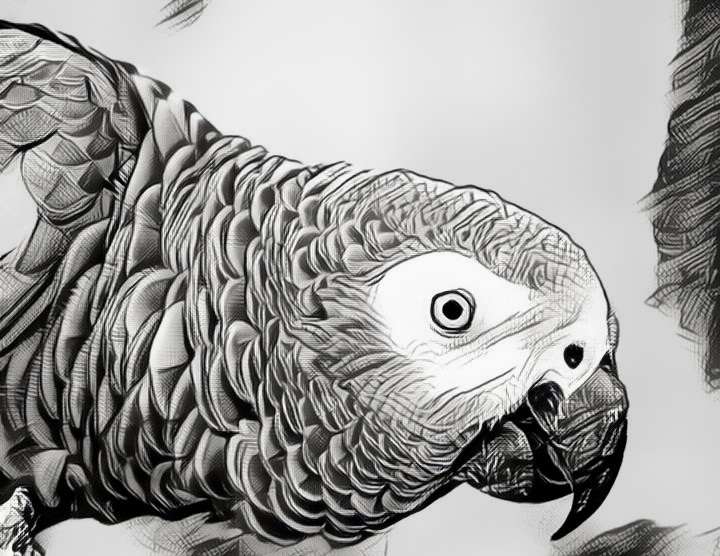
Parrot and Hen used to be friends, and they lived together in a village.
“I’m getting married,” Parrot told Hen one day. “Will you please let me borrow some of your beautiful feathers?”
In those days, Hen had very fancy feathers, but Parrot did not.
When Parrot returned from his marriage journey, he decided to keep the feathers. “They look better on me!” he said to Hen.
Hen was angry and attacked Parrot, so Parrot flew up into the trees.
That’s why Parrots wear pretty feathers and live in trees now, while Hens are plain and live in the village.

[a Benga story from Gabon] 


Inspired by: "Borrowed Clothes" in Where animals talk: west African folk lore tales by Robert H. Nassau, 1912.
Notes: You can read the original story online. This is a Benga story; the parrot is Koho and the chicken is Kuba.


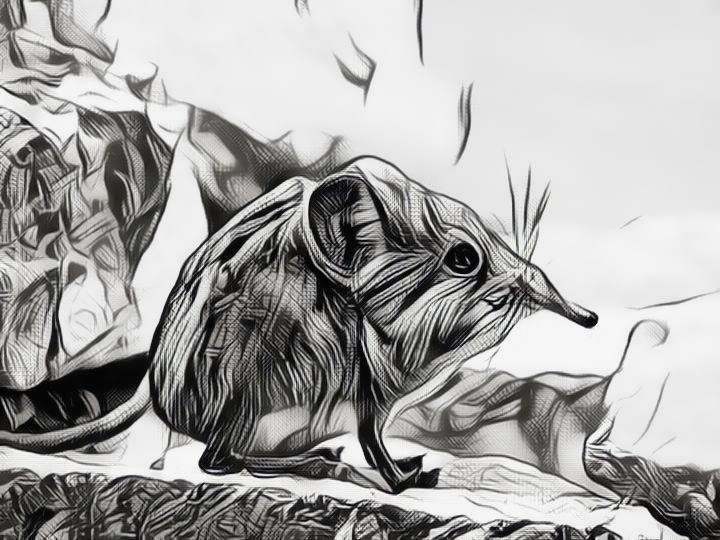
11. The Lemur and the Shrew

“The humans have fire,” said Lemur. “We need fire too!”
“I’ll go steal some fire,” said Shrew, “while you stay here and wait for me to return.”
Shrew went to the human village and found a fireplace where there was a faintly glowing coal. He puckered and blew gently. Then he blew harder. Finally the fire was strong.
Shrew came back with the fire and saw Lemur waiting faithfully, eyes wide open.
“Your eyes have grown so big!” said Shrew.
“Your snout has grown so long!” said Lemur.
That’s why Shrew’s nose is long now, and Lemur’s eyes are big.

[a Fang story from Gabon] 


Inspired by: "A Lesson in Evolution" in Where animals talk: west African folk lore tales by Robert H. Nassau, 1912.
Notes: You can read the original story online. This is a Fang legend; the shrew is named Unyunge, and the lemur is Po (you can read more about the bush baby or galago at Wikipedia). In the original story, Shrew visits several villages before he finds fire. Compare a similar Bulu story about Lemur and Mole.


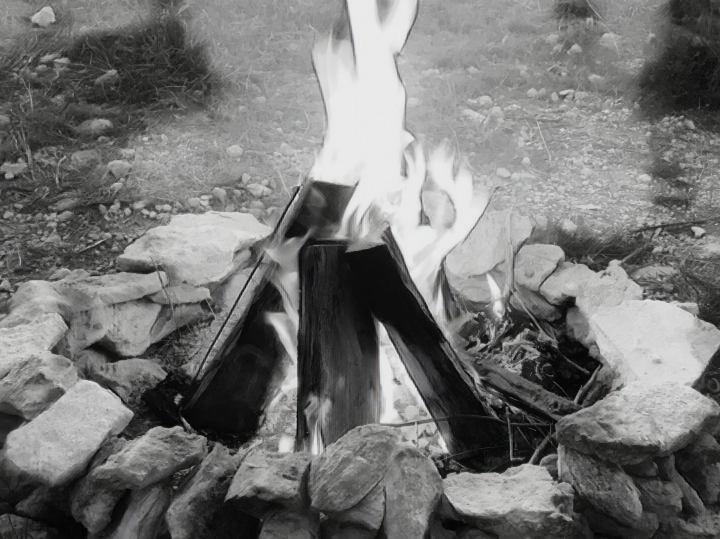
12. The First Fire

In the beginning, there was a very big tree.
All the people and all the animals came out from the tree like from a womb.
It was dark all around, everywhere.
Dark like midnight.
Then a man lit a fire. The flames blazed up in the darkness.
Terrified, the animals scattered. They fled into the darkness.
Animals are still afraid of the man’s fire, and people today still light their fires at night to scare the animals away.
That is what gives people power over the animals: the people know how to make fire.
Otherwise, the animals wouldn’t be afraid.

[a Damara story from Namibia] 


Inspired by: "The Creation of Men and Animals" in Bantu Customs and Legends published in the journal Folklore by James Macdonald, 1892.
Notes: You can read the original story online. This is a Damara legend from southern Africa.

Damara people dancing around the fire

13. The Animals and the Fire

In the beginning, the animals lived in the forests.
Then God called the animals. “Come!” he said, and the animals came.
Next, God built a big fire.
The animals were frightened and fled back into the forest.
“I’m not afraid!” bellowed the cow.
“I’m not afraid!” shouted the sheep.
“I’m not afraid!” bleated the goat.
God praised these animals and blessed them. “From now on,” he said, “you will live with the people. The people will feed you, and you will feed the people, and you will all stay warm by the fire, safe from the animals of the forest.”

[a Chok story from Kenya] 


Inspired by: "Why Some Animals Became Domesticated" in The Suk: Their Language and Folklore by Mervyn W. H. Beech, 1911.
Notes: You can read the original story online. Beech conducted his research in the Baringo district of Kenya; you can find out more about the Suk/Chok people at Wikipedia. The name of the god in this story is Tororut, the Supreme God or Sky-God.


14. The Jackal Sends the Dog to Get Fire

“I’m hungry,” Jackal said to Dog, his brother. “Go into the village and fetch fire. We’ll burn the grass and catch locusts to eat.”
Dog went into the village and entered a house. A woman was feeding mush to her baby. She scraped some mush from the pot and fed it to Dog.
The mush tasted good!
Dog stayed in the village.
Jackal waited, but Dog didn’t come back. Jackal howled, “I sent Dog for fire. He never came back! Never! Neeeeeee-veeeeeeeer!”
You can hear the hungry Jackal still howling.
Dog stayed in the village where the food was good.

[an Ambundu story from Angola] 


Inspired by: "Dog and Jackal" in Folktales of Angola by Heli Chatelain, 1894.
Notes: You can read the original story online, and the Kimbundu text is also available. The dog is Imbua and the jackal is Mbulu.

15. The Dogs of Long Ago

Long ago, dogs were like men: they lived in a village, they kept cattle, they took wives and had families.
Dogs and men were often at war.
One time the men raided the dogs’ village and stole all their cattle.
The dogs mounted a counterattack to recapture their cattle, but the men climbed into trees and threw sand down into the dogs’ eyes.
The dogs attacked again; again, the men threw sand in their eyes.
Blinded by the sand, the dogs couldn’t find their way back to their own village ever again.
That’s when dogs became the slaves of men.

[a Nandi story from Kenya] 


Inspired by: "The Story of the Dogs" in The Nandi, their language and folk-lore by Alfred C. Hollis, 1909.
Notes: You can read the original story online.


16. The People and the Sea-Turtle

The ocean waves flooded the land again and again.
The people despaired.
“Plant palm-trees,” Sea-Turtle advised them. “The roots will hold the sand and stop the waves. Your villages will be safe!”
The people planted trees, and Sea-Turtle was right: their villages were safe from the ocean’s waves.
But are the people grateful? No, they are not. They dig up the turtle’s eggs in the sand and eat them. They catch turtles in the sea and eat them.
Just watch: captured turtles flap their flippers against their breast as if to say, “You owe us thanks! Not this! Not this!”

[a story from Ghana] 


Inspired by: "Why the Sea-turtle When Caught Beats Its Breast With Its Forelegs" in West African Folktales by William Barker and Cecilia Sinclair, 1917.
Notes: You can read the original story online.


17. Grandmother Crocodile

Long ago, a man married a crocodile; their children are our ancestors. The people called her “Grandmother Crocodile,” and they lived on land and water happily together.
But one day a man killed a baby crocodile and ate it.
Grandmother Crocodile wept and complained to the people, “Your grandchild has eaten my grandchild. We crocodiles will go live in the rivers now, and we will attack people whenever they get into the water.”
Then the people said, “We will make spears and kill you if we ever find you on the land.”
That is when crocodiles and people became enemies.

[a Shilluk story from the Sudan] 


Inspired by: "Nyikang’s Parents" in The Shilluk people, their language and folklore  by Diedrich Westermann, 1912.
Notes: You can read the original story online. The book also contains the Shilluk text; you can find out more about the Shilluk people of South Sudan at Wikipedia. The story includes the names of the Shilluk ancestors, connecting this story up to other stories. It also adds some great details, like how people used to ride the crocodiles safely, and also how the people do allow the crocodiles on land in order to lay their eggs, but for no other purpose.

18. The Hippo and the Crocodile

Crocodile and Hippo used to be enemies, but then Crocodile proposed friendship instead.
“You will rule the running waters, and I will rule the marshes and pools,” said Crocodile. “Moreover, I will let you freely graze and eat the grasses in my marshes and pools.”
“And what must I do in return?” asked Hippo.
“I only ask that you overturn the people’s canoes so that I can eat the people who fall into the running water.”
“Oh, I like this plan!” exclaimed the Hippo.
That is why Hippo now sinks canoes, turning the passengers into food for his friend, Crocodile.

[a Bangala story from the Congo] 


Inspired by: "The Hippopotamus and the Crocodile" in George Grenfell and the Congo, volume 2 by Harry Hamilton Johnston, 1910.
Notes: You can read the original story online. The author notes: "The following story about the hippopotamus and the crocodile is given in its Bangala version; but the present writer has taken down the same fable from the Bayanzi."

19. The Three Creatures

At first, there were three creatures: Thunder, Elephant, and Man.
“Beware of Man,” Thunder told Elephant. “He’s dangerous. I’m going to the sky to escape Man. Come with me!”
“Man is very small,” said Elephant, laughing. “I don’t fear him.”
When Thunder went to the sky, Man rejoiced. “Thunder, whom I feared, is gone at last!”
Then Man made a bow and arrow, dipped the arrow in poison, and shot Elephant with the arrow.
Elephant groaned. “Take me up, Thunder!”
“No,” said Thunder. “I tried to warn you, but you wouldn’t listen.”
So Elephant died, and Man ruled the earth.

[a Nandi story from Kenya] 


Inspired by: "The Story of the Creation" in The Nandi, their language and folk-lore by Alfred C. Hollis, 1909.
Notes: You can read the original story online. The man of that time was a Dorobo; more about Doroba people at Wikipedia. In the original story, Thunder explains that man is dangerous because he can turn over in his sleep without getting up, while Thunder must get up to turn over; Elephant says the same.